by djnarrative | 17 Nov, 2014 | Reckorder Tutorials
I've been doing a lot of courses over the last 12 months and one of the more exotic ones was jazz improvisation. While it was too advanced for my level i did learn a load of stuff that helped me understand and improvise. One of the things was the 7 modes and whilst searching online for more specific information i found this tutorial from Matt Warnock. There are a host of tutorials - many free - for beginners, intermediate and advanced and you can support him and learn more by buying his ebook and various other bits and bobs Also useful in learning modes and scales were these two sites one for guitar - http://www.notreble.com/buzz/2011/10/26/a-practical-guide-to-modes-and-scales/ and one for piano - http://kantsmusictuition.blogspot.co.uk/2007/09/method-of-practising-scales.html...
by djnarrative | 18 Dec, 2012 | The Reckorder Project
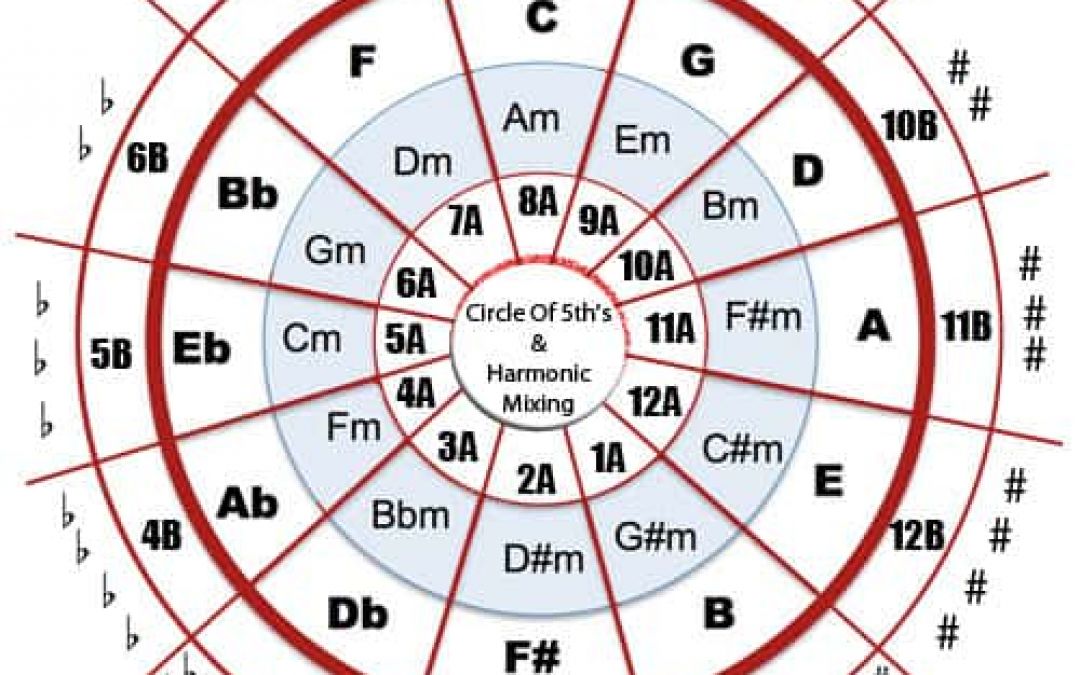
Revisiting the Lpc and it's scale mode led me to explore something ive been interested in for a long time but never really had my head around. Fully understanding the circle of fifths, scales and keys have somewhat eluded me on the whole, but today i made some good progress in understanding them and found some really useful tips and tutorials along the way. As mentioned yesterday, the lpc allows you to select from a load of different scales. This is like the midi function in ableton and bascially gives you the set notes to play within. This is great if you dont know scales and can provide great starting points for melodies when you have an idea of the mood or feeling you want to create. For example major or minor keys, or eastern, gypsy, oriental, sounding scale types. While this is great for starting musical ideas on the lpc, the majority of harmonic ideas come from playing without set structures in mind, and i find these come a lot more naturally when creating music, so i wanted to find a way of understanding how you could find the scale from the notes that you've just played. This led me to first nail down exactly what is the difference between a scale and a key, as they always seem to be in the same sentences, which wikipedia and this page was very useful for. ----------------------------------- A key is the collection of notes in relation to the note (e.g in the key of c) and a scale is the order of those notes (e.g c major scale). So the collection...
by djnarrative | 16 Dec, 2012 | The Reckorder Project
A few years back i found an awesome piece of software called Native Kontrol. It enables you to control ableton with a range of midi controllers and adds a whole host of really useful tools to your arsenal. The main reason for getting this £20 piece of software was so that i could play drum racks with my new launchpad, but that is one of many features, and they're all expertly described in these three short videos from Stray. It took me a good while to get used to them, and i had to make my own overlay for the ableton functions as theres so much you can do, but once i got my head around it, it made real improvements to my workflow and made it a lot more fun as i didnt have to use the mouse. The main things i turn to for it are mpc style triggering in clip mode, working with the scale mode, and step sequencer, and controlling ableton. I had to revisit it to refresh and one of the things that i didnt understand was the scale editor on the step sequencer. After playing around with it and a few support emails (Stray's support is awesome) i realised that the 40 or so scales arent replicated in step sequencer, but you can make a major or minor scale and then program your arpeggios within that scale, which has created really different styles compared to playing them in on the keys. It led me to investigate scales, keys, and the circle of fifths, which i'll stick in a seperate blog post. I highly...
